
A hair topper can be a great option for women who want to add volume and coverage to thinning hair without wearing a full wig. However, choosing the right topper is only part of the process. The way you position it, blend it with your natural hair, and style it can make a significant difference in the final result.
If you want your hair topper to look natural rather than obvious, a few simple techniques can help. In this guide, we will explain how to wear a hair topper, choose the right placement, blend the hair seamlessly, and avoid common styling mistakes.
Before learning how to wear a hair topper, make sure you choose one that suits your hair loss area, hair density, and natural hairstyle.
The base should provide enough coverage for your thinning area without extending unnecessarily into areas where your natural hair is already full.
Measure your thinning area before choosing a size. The topper should cover the area that needs extra volume while leaving enough natural hair available for blending where possible.
For the most natural result, compare the topper with your own hair in natural daylight. Pay attention to the root color, highlights, and overall tone rather than matching only the ends.
Texture matters, too. A straight topper may look noticeably different when worn with naturally wavy hair. Choosing a similar texture makes blending easier and reduces the amount of styling needed.
Placement is one of the most important factors when wearing a hair topper.
Start by identifying the area where your hair is thinning. Position the topper so that its base covers the area that needs coverage while following the natural shape of your head.
Placing a topper too close to the forehead can create an unnatural hairline or make the front look bulky. Position it according to the base design, your natural part, and the coverage you need.
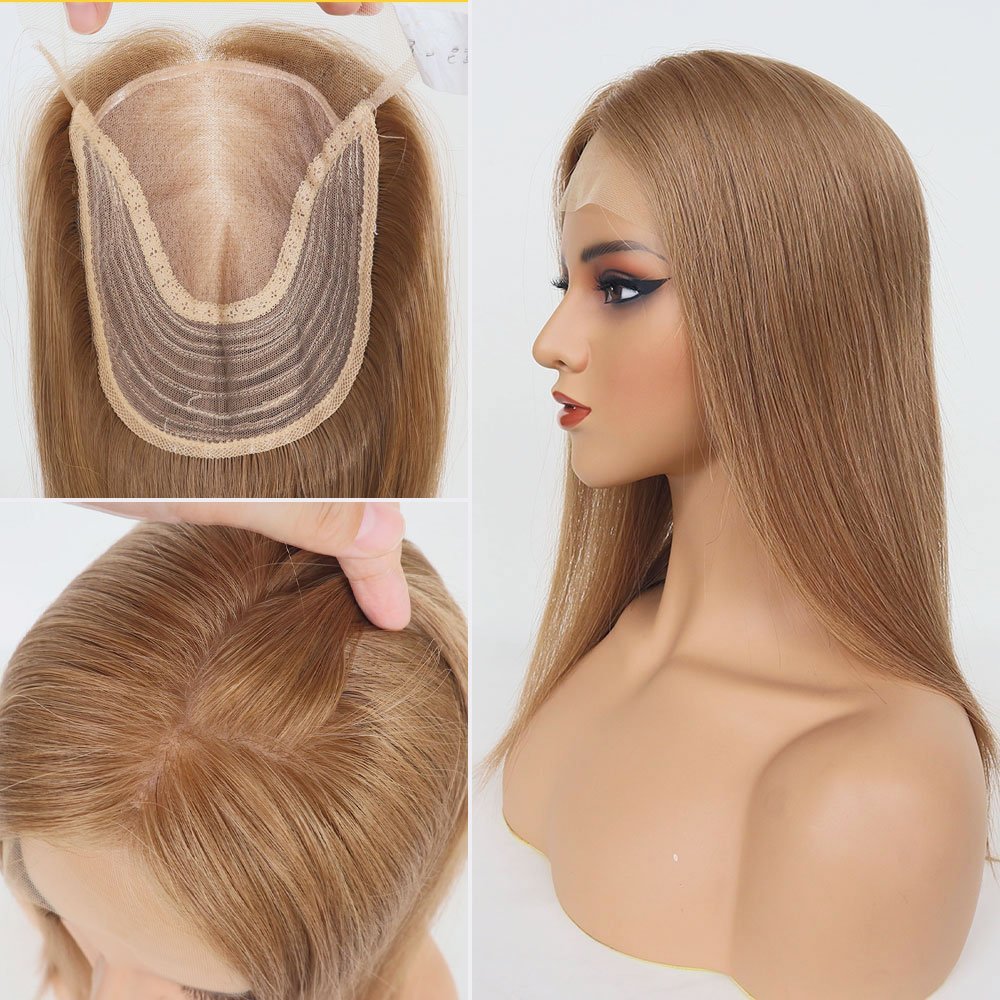
If the topper has a silk top or lace parting area, take time to position the part where it looks most natural with your facial features and hairstyle.
Do not judge the result only by looking straight into a mirror. Check the front, sides, and back. A handheld mirror or phone camera can help you see whether the base is visible or the topper sits unevenly.
Make small adjustments before securing the clips completely.
Many clip-in hair toppers use small pressure-sensitive clips to attach to your natural hair.
Before attaching the clips, gently detangle your hair and separate it into manageable sections. Open each clip, position it close to the scalp without pinching the skin, and fasten it securely to an area with enough hair to support it.
Keep these tips in mind:
A secure fit should feel comfortable. If the topper repeatedly slips, consider whether the base size, clip placement, or attachment method is appropriate for your hair.
Even a well-made hair topper may look less natural if the added hair sits separately from your own. Blending helps create a more cohesive hairstyle.
Gently combine the natural hair around the topper with the topper hair. Use your fingers or a suitable comb to soften the transition, especially near the temples and front edges.
If you have longer natural hair around the sides, bring small sections over or alongside the topper where appropriate. Avoid forcing hair over the base if doing so exposes thinning areas or creates an uneven shape.
A topper that is much fuller than your natural hair can create a visible difference in volume. Choose a density that works with your existing hair and distribute the added hair evenly when styling.
If the topper looks too bulky at the crown, gently arrange the hair to reduce excess height. Do not pull aggressively on the base or use excessive heat to flatten it.
The part is often one of the first details people notice. A silk top or lace parting area can help create the appearance of a scalp, depending on the construction and color match.
Position the part where you normally wear your hair, or experiment with a slightly different part if the base design allows it. Use a comb to define the part gently, then arrange the surrounding hair so it does not look overly stiff or perfectly uniform.
Once the topper is secured and blended, style it together with your natural hair.
For everyday wear, a soft blowout, loose waves, or a simple straight style can help the two blend naturally. Use a brush or comb suited to the hair type, and avoid creating a sharp difference between the topper and your own hair.
If you use heat styling tools, check the manufacturer’s care instructions first. Human hair toppers may be styled with appropriate heat protection, but excessive heat can still cause dryness and damage. Synthetic toppers may require different care and may not be heat-safe.
Finish by checking the silhouette. The crown, sides, and back should look balanced rather than noticeably fuller in only one area.
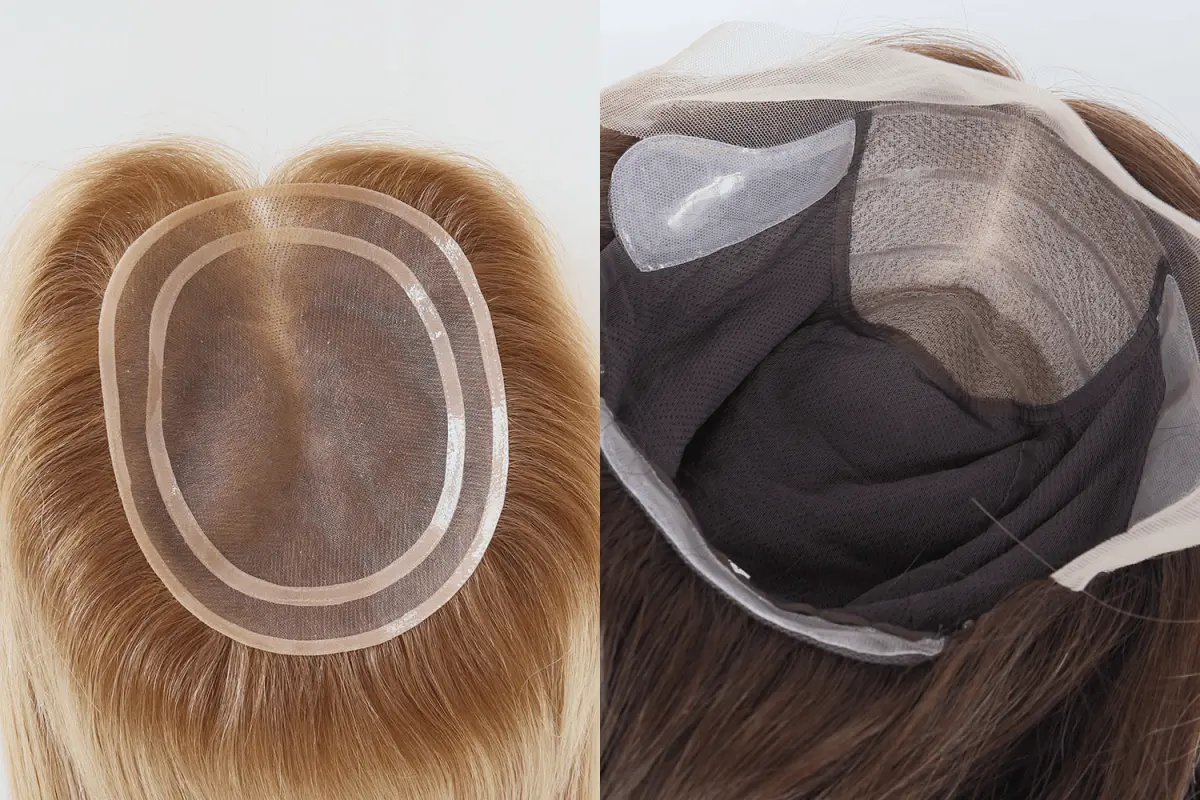
Different hair topper bases offer different benefits. The best option depends on your preferred parting style, comfort needs, and the amount of coverage required.
Silk top designs use a layered construction intended to create the appearance of hair growing from the scalp. They can be a good choice for people who prioritize a realistic-looking part.
Lace bases can provide a lightweight appearance and a natural-looking parting area when the lace color and placement suit the wearer. Their visibility can depend on lighting, fit, and how the base is designed.
Monofilament bases provide a mesh-like foundation through which hair is individually attached or integrated, depending on the construction. They may offer flexible parting options and a realistic appearance.
No single base is best for everyone. Compare the construction, coverage, parting options, and care requirements before choosing a topper.
Small adjustments can make a noticeable difference in the final look. Avoid these common mistakes:
Choosing the wrong base size. A base that does not cover the thinning area properly may leave visible gaps, while an unnecessarily large base can make blending more difficult.
Ignoring the natural part. A part that conflicts with your usual hairstyle may make the topper more noticeable.
Using too much volume. A very full topper may not blend well with fine or low-density natural hair.
Pulling clips too tightly. Excessive tension can cause discomfort and may contribute to hair breakage over time.
Skipping the final check. Always inspect the hairline, part, sides, and back before going out.
Good maintenance helps preserve the topper’s appearance and makes daily styling easier.
Brush gently, starting at the ends and working upward to reduce tangling. Follow the care instructions for washing, drying, and storing the topper. Avoid sleeping or showering in a clip-in topper unless the manufacturer specifically recommends it.
Also, give your natural hair and scalp appropriate care. If clips cause repeated soreness or you notice increased breakage around attachment points, stop using the painful attachment method and consider a different fit or professional advice.
Learning how to wear a hair topper for the most natural look is about more than attaching it securely. The right base size, careful placement, comfortable attachment, color matching, and thoughtful blending all contribute to a seamless result.
Start with small adjustments and check your hairstyle from different angles. With practice, you can find a routine that works with your natural hair and gives you the coverage and volume you want.
Explore HYLUX Hair hair toppers to compare base designs, coverage options, and styles that suit your needs.